Report by. SWATI
Reasi/Katra, Jammu & Kashmir 8 August
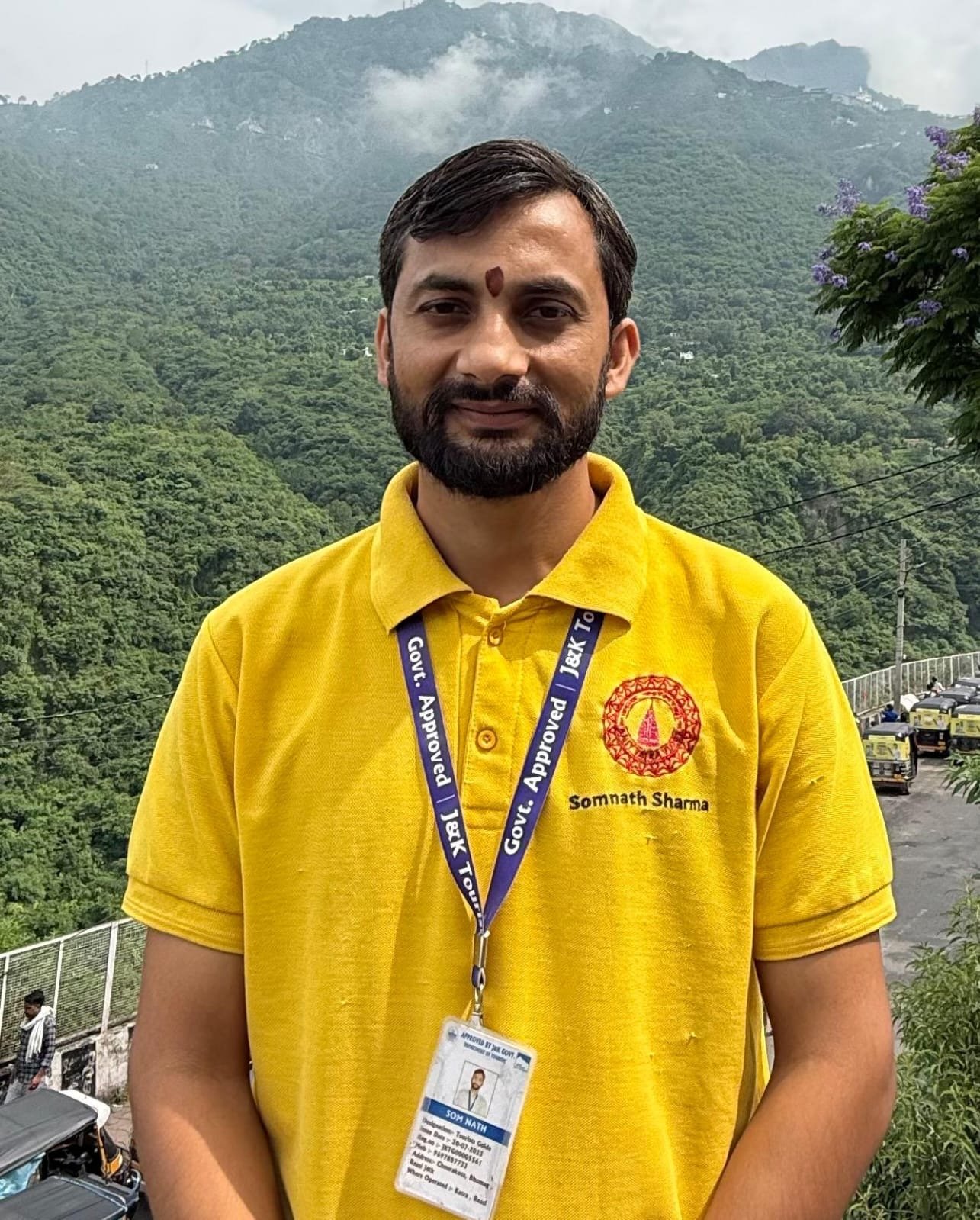
The Chenab Rail Bridge, the world’s highest railway bridge and one of India’s most spectacular engineering achievements, has the potential to emerge as a major global tourism attraction if systematically integrated into Jammu and Kashmir’s expanding tourism circuit, Somnath, a Government-Approved Tourist Guide with the J&K Tourism Department, said.The monumental bridge, located in Reasi district and rising dramatically above the Chenab River, represents a remarkable convergence of engineering excellence, architectural precision and the rugged natural landscape of Jammu and Kashmir. Its extraordinary scale has already attracted national and international attention, giving the region an opportunity to develop a new category of infrastructure-based tourism.With Katra functioning as the principal gateway to the revered Shri Mata Vaishno Devi shrine and receiving millions of pilgrims annually, Somnath believes the enormous flow of visitors can be strategically channelled towards nearby destinations, thereby expanding tourism beyond the conventional pilgrimage circuit.Situated approximately 50–55 kilometres from Katra, the route towards the Chenab Rail Bridge offers visitors a scenic mountain experience marked by winding roads, dense greenery, dramatic hills and expansive landscape views.According to Somnath, incorporating the bridge into standard Katra sightseeing packages could encourage pilgrims to extend their stay and explore the wider Reasi region. Such an initiative could generate additional economic opportunities for local transport operators, guides, hospitality establishments, restaurants, handicraft businesses and other tourism-linked enterprises.The Chenab Rail Bridge also possesses strong potential as a specialised destination for engineering enthusiasts, architecture lovers, photographers, students, families, adventure travellers and international tourists seeking distinctive experiences.However, converting the landmark into a sustainable tourism destination would require coordinated planning, dedicated promotional campaigns, improved visitor infrastructure, clearly identified viewing areas, enhanced road connectivity and aggressive digital as well as international marketing.Jammu and Kashmir has traditionally been promoted for its spiritual heritage, spectacular mountains, valleys and cultural richness. The Chenab Rail Bridge can add a powerful contemporary dimension to this tourism narrative by showcasing India’s technological and infrastructure capabilities alongside its natural and cultural heritage.Tourism stakeholders believe that a well-planned strategy could transform the bridge into one of northern India’s most prominent modern attractions and create a compelling reason for visitors to look beyond the traditional pilgrimage destinations.Somnath said that placing the Chenab Rail Bridge prominently on the region’s tourism map would not merely promote an engineering structure, but could also help create a broader, year-round tourism ecosystem benefiting communities across the Reasi-Katra belt.