
Report by Swati
New Delhi 2 Aug
From Baby Boomers to Generation Alpha, every generation has been shaped by the events, technology, and social movements of its time. But no generation has transformed the way people communicate, learn, protest, and influence society as dramatically as Generation Z.
Born into a world of smartphones, social media, artificial intelligence, and instant access to information, Gen Z is often described as the first truly digital generation. For them, a mobile phone is more than a device—it is a classroom, a workplace, a news platform, and a tool for social change.
The rise of digital payments, online education, cloud technologies, and AI has fundamentally changed how young people think and work. Knowledge is available at their fingertips, but so is misinformation. While the internet empowers young minds with endless opportunities, it also exposes them to anxiety, unrealistic expectations, and information overload.
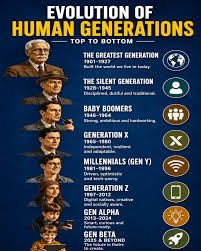
This has widened the generation gap. Older generations often value stability, patience, and traditional communication, while Gen Z prioritizes speed, innovation, inclusion, and digital connectivity. These differences are sometimes misunderstood as conflict, when they are often the result of growing up in completely different worlds.Social media has become one of Gen Z’s most influential platforms. It has amplified youth voices, encouraged civic participation, and helped mobilize public opinion on issues ranging from climate change to education and social justice. At the same time, experts caution that excessive dependence on digital platforms can contribute to stress, loneliness, and polarization.Before Gen Z came the Baby Boomers, shaped by post-war rebuilding and economic growth; Generation X, known for adapting to rapid technological change; and Millennials, who witnessed the transition from the offline to the online world. Today, Generation Alpha is growing up surrounded by AI, automation, and smart devices from early childhood.The real question is not whether Gen Z is better or worse than previous generations. The challenge is whether society can bridge the widening gap between generations while embracing the opportunities of the digital era. As technology continues to redefine everyday life, understanding rather than judging different generations may be the key to building a more connected and inclusive future.