
BY SWATI
New Delhi, August 24, 2026
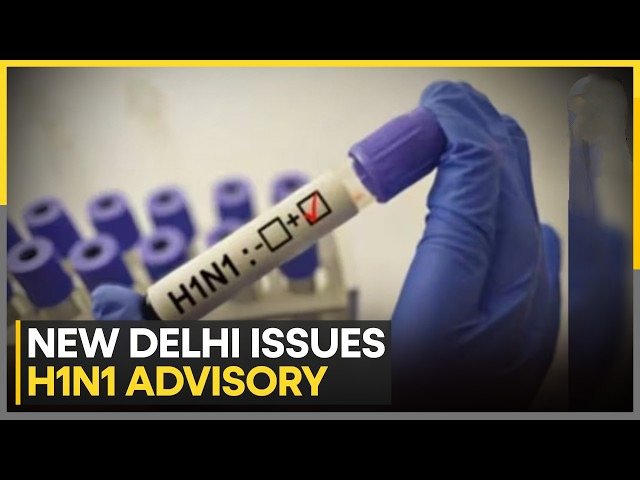
A rise in H1N1 influenza, commonly known as swine flu, cases in Delhi and other parts of India has triggered increased health surveillance and public concern. However, the Indian Council of Medical Research (ICMR) has clarified that no new H1N1 strain has been identified in the country and there is no need for public panic. Delhi has reported a significant increase in H1N1 infections this year. Health authorities and hospitals have been advised to strengthen surveillance, testing and treatment facilities amid the rise in respiratory illnesses. Common Symptoms of H1N1 .Doctors say H1N1 can cause symptoms similar to seasonal influenza. Common symptoms include:
- High fever
- Cough and sore throat
- Runny or blocked nose
- Body aches and headache
- Fatigue and weakness
- Chills and, in some cases, gastrointestinal symptoms A high fever accompanied by persistent cough, breathing difficulty or worsening weakness should not be ignored, particularly among people in high-risk groups.No New Strain, Says ICMR .The latest clarification from ICMR comes amid social-media messages and reports suggesting that a dangerous or newly mutated H1N1 strain may be spreading in India. ICMR scientists have said that the virus currently circulating is part of seasonal influenza activity, rather than a newly emerged H1N1 variant. The World Health Organization also notes that the 2009 H1N1 virus continues to circulate globally as a seasonal influenza virus and is included in seasonal influenza vaccines. World Health Organization Experts Urge Caution, Not Panic .Health experts have stressed that people should remain alert without becoming alarmed. Seasonal influenza can be more serious for older adults, young children, pregnant women and people with underlying health problems.Basic precautions such as covering the mouth and nose while coughing or sneezing, washing hands regularly, avoiding close contact when unwell and seeking medical advice when symptoms become severe can help reduce transmission.The current H1N1 situation therefore calls for awareness and responsible precautions rather than panic. People experiencing significant or persistent symptoms should consult a qualified doctor rather than self-medicate.